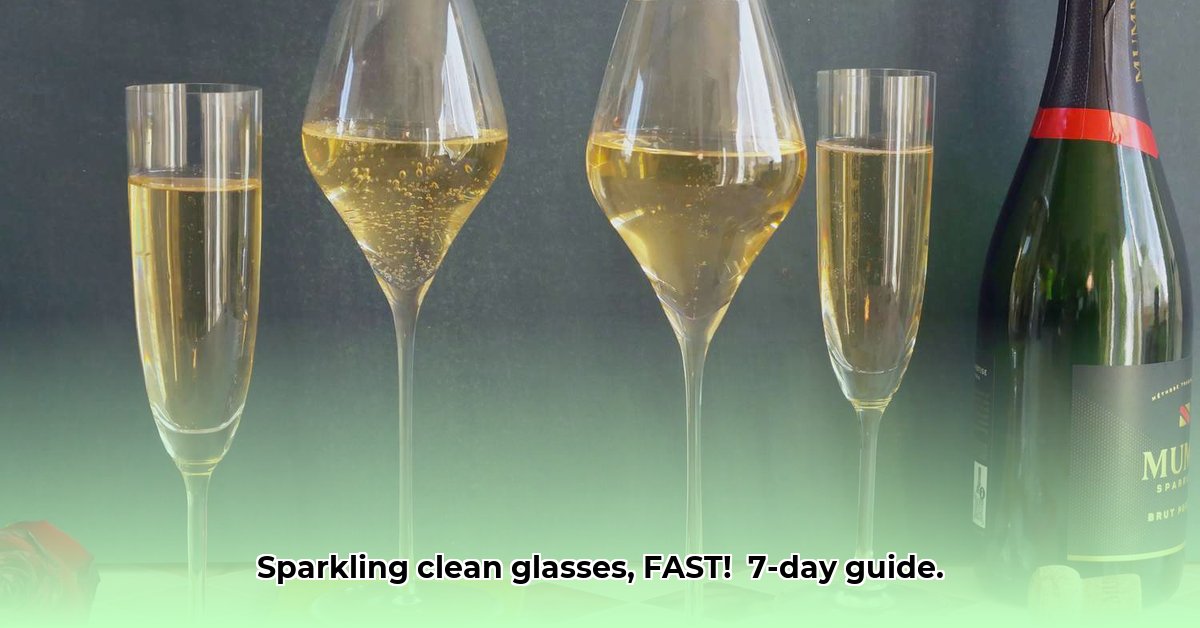
Let's face it: cloudy glassware with unsightly water spots is a major kitchen bummer. This 7-day guide will transform your cleaning routine, leaving you with sparkling glasses every time. We'll cover the science behind water spots, introduce effective drying techniques, and help you choose the right cleaning products. For more on water and glass, check out this helpful article: water spot removal. Get ready to ditch the frustration and enjoy the satisfaction of flawlessly clean glassware!
Day 1: Understanding Water Spots and Hard Water
Those annoying water spots are usually caused by minerals in hard water. As the water evaporates, these minerals are left behind. Using bottled or distilled water (lacking these minerals) for rinsing glasses is one solution. Alternatively, a whole-house water softener can reduce hard water throughout your home.
Day 2: Pre-Soaking for Effortless Cleaning
Before washing, pre-soak your glasses in warm, soapy water for a few minutes. This loosens food particles, making washing significantly easier and faster. Think of it as a strategic surrender from the grime!
Day 3: Choosing Your Cleaning Arsenal
You have options! For everyday cleaning, a mixture of vinegar and baking soda is an inexpensive, eco-friendly choice. For stubborn messes, a commercial glass cleaner might be necessary. Consider the pros and cons of each, based on your needs.
Day 4: The Crucial Rinse
Thorough rinsing is vital. Any soap residue acts like a magnet for dust, dulling the shine. Rinse each glass under hot water until all soap is gone. Feel the glass to ensure no residue remains.
Day 5: Mastering the Drying Technique: From Soggy to Sparkling
Air-drying almost guarantees water spots. Use a clean, lint-free microfiber cloth. Gently wipe each glass, top to bottom, to prevent streaks and ensure even drying. Microfiber cloths are highly absorbent and ideal for this task.
Day 6: Polishing for Perfection
After drying, a final polish with a dry microfiber cloth adds an extra layer of brilliance. This step removes microscopic dust particles, leaving your glassware with an impeccable shine.
Day 7: Maintaining the Sparkle: Consistency is Key
Consistent cleaning is key to maintaining sparkling glassware. Develop a routine using the methods outlined above. Using distilled or softened water where possible significantly reduces water spots and improves results.
Comparison of Drying Methods
This table compares different drying methods based on speed, effectiveness, environmental impact, and cost:
| Method | Drying Speed | Effectiveness | Environmental Impact | Cost |
|---|---|---|---|---|
| Air Drying | Very Slow | Low | Very Low | Very Low |
| Microfiber Cloth | Fast | High | Low | Low |
| Paper Towel | Moderate | Moderate | Moderate | Low |
Choosing the right method depends on your priorities. For speed and effectiveness, microfiber is the clear winner.
Preventing Water Spots with Eco-Friendly Methods
Preventing water spots is easier than removing them. Here’s how:
- Rinse Immediately: Rinse glassware immediately after washing to prevent mineral deposits.
- Vinegar Power: Soak glassware in warm water with a cup of white vinegar (15-30 minutes) to loosen mineral deposits. Alternatively, use lemon juice for a brighter scent.
- Thorough Rinse: Rinse thoroughly to remove all vinegar or lemon juice residue.
- Gentle Drying: Use a soft, lint-free towel or allow air drying on a clean rack.
For stubborn spots: Use a commercially available, eco-friendly glass cleaner, following instructions carefully.
Long-term solutions: Consider a water softener (a significant investment, but effective) or a glass sealant to prevent mineral residue from sticking.
Key Takeaways:
- Consistent cleaning is crucial for sparkling glassware.
- Eco-friendly solutions like vinegar and lemon juice effectively tackle light water spots.
- Thorough rinsing and meticulous drying are essential.
- For persistent issues, consider a water softener or glass sealant.
By following this 7-day plan, you'll achieve consistently sparkling clean glassware. Enjoy the sparkle!